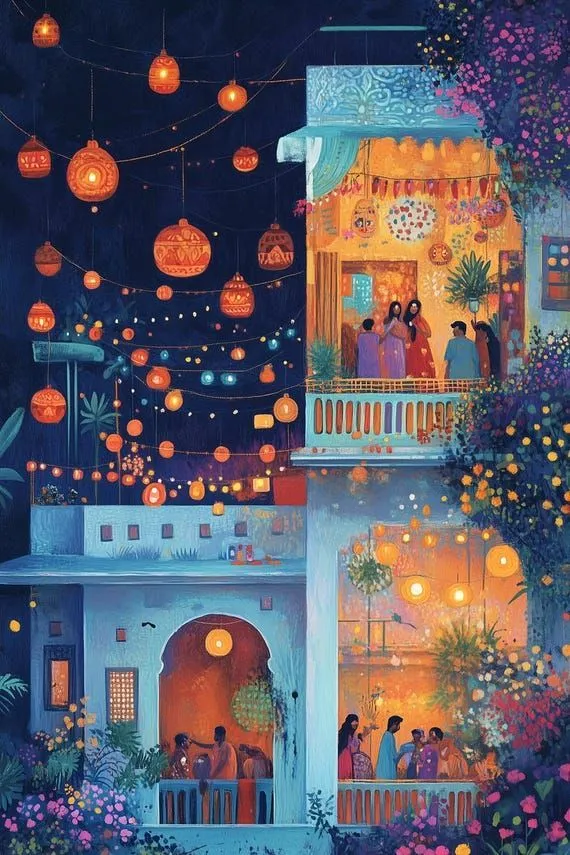
Shubh Deepawali, to you and yours.आपको और आपके अपनों को शुभ दीपावली।
Why do we celebrate Diwali?हम दीपावली क्यों मनाते हैं?
Hi, I’m Karan. This Deepawali, a familiar celebration led me to a simple question and a few beautiful stories.नमस्ते, मैं करण हूँ। इस दीपावली, एक परिचित उत्सव ने मेरे मन में एक छोटा-सा सवाल जगाया और फिर कई सुंदर कथाओं से मिलवाया।
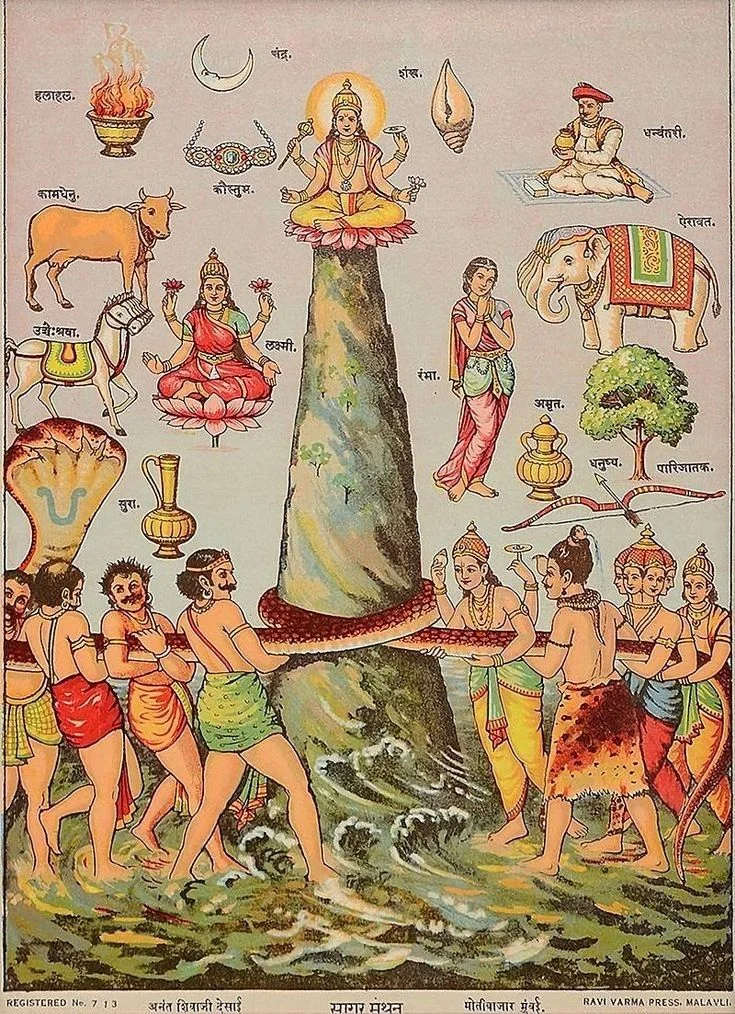
It begins with an ocean.शुरुआत होती है एक सागर से।
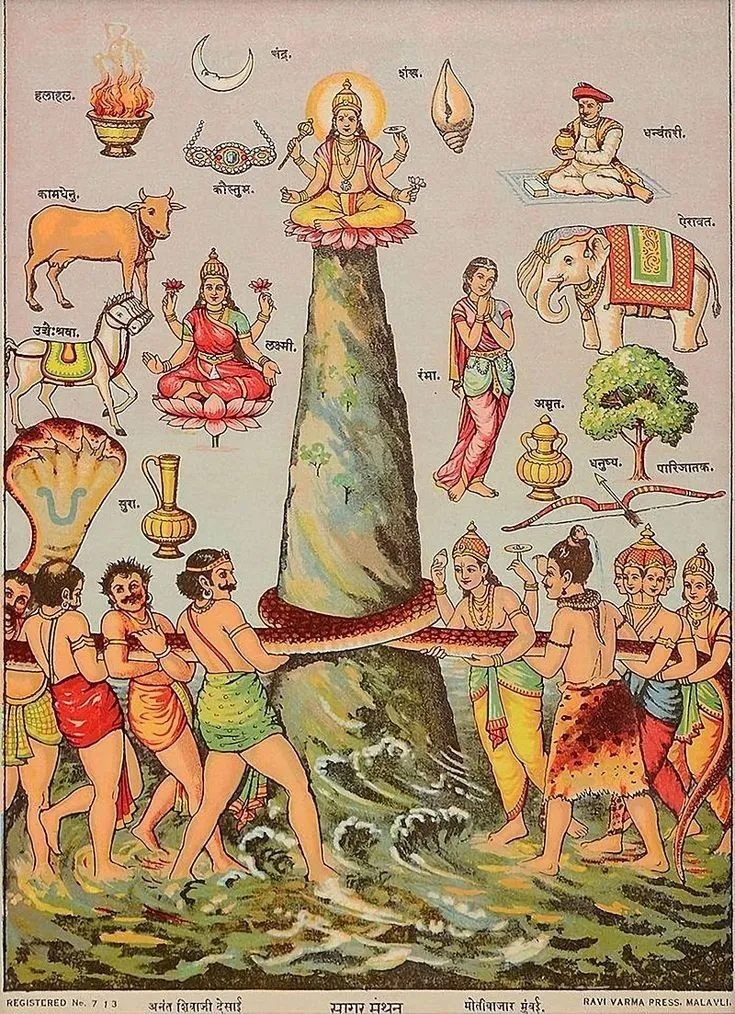
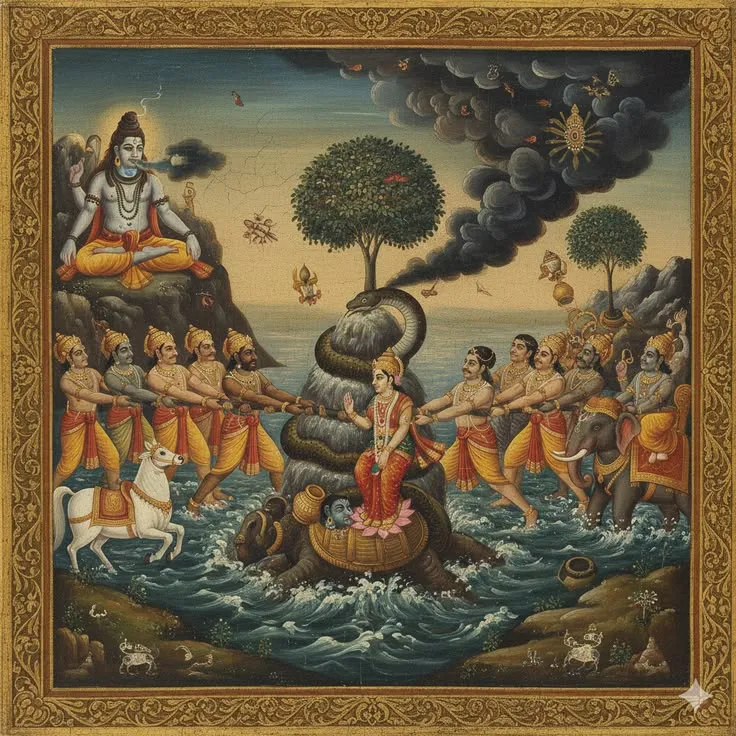
My search led to Samudra Manthan. Devas and asuras churn the ocean of milk in search of amrita. Among its treasures, one appearance brings the story closer to Diwali.जवाब खोजते हुए मैं समुद्र मंथन की कथा तक पहुँचा। अमृत पाने के लिए देवता और असुर क्षीरसागर मथते हैं। उससे निकले रत्नों में एक प्राकट्य इस कथा को दीपावली के और करीब लाता है।
A little more to the storyकथा के बारे में थोड़ा और
In the Vishnu Purana, Mount Mandara becomes the churning rod, Vasuki the rope, and Vishnu supports the mountain as a tortoise. Different texts recount the treasures in different sequences; this is a brief introduction to the account in Book 1, chapter 9.विष्णु पुराण में मंदराचल मथानी बनता है, वासुकि रस्सी, और विष्णु कूर्म रूप में पर्वत को सहारा देते हैं। अलग ग्रंथों में रत्नों का क्रम अलग मिलता है। यहाँ प्रथम अंश के नौवें अध्याय की कथा का संक्षिप्त परिचय है।
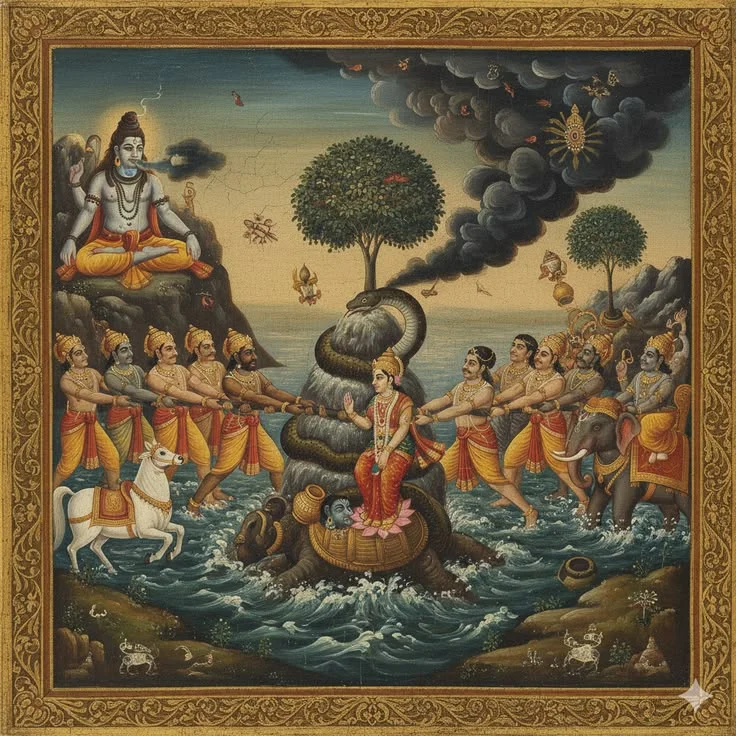
From the waves, a lotus.लहरों के बीच, एक कमल।
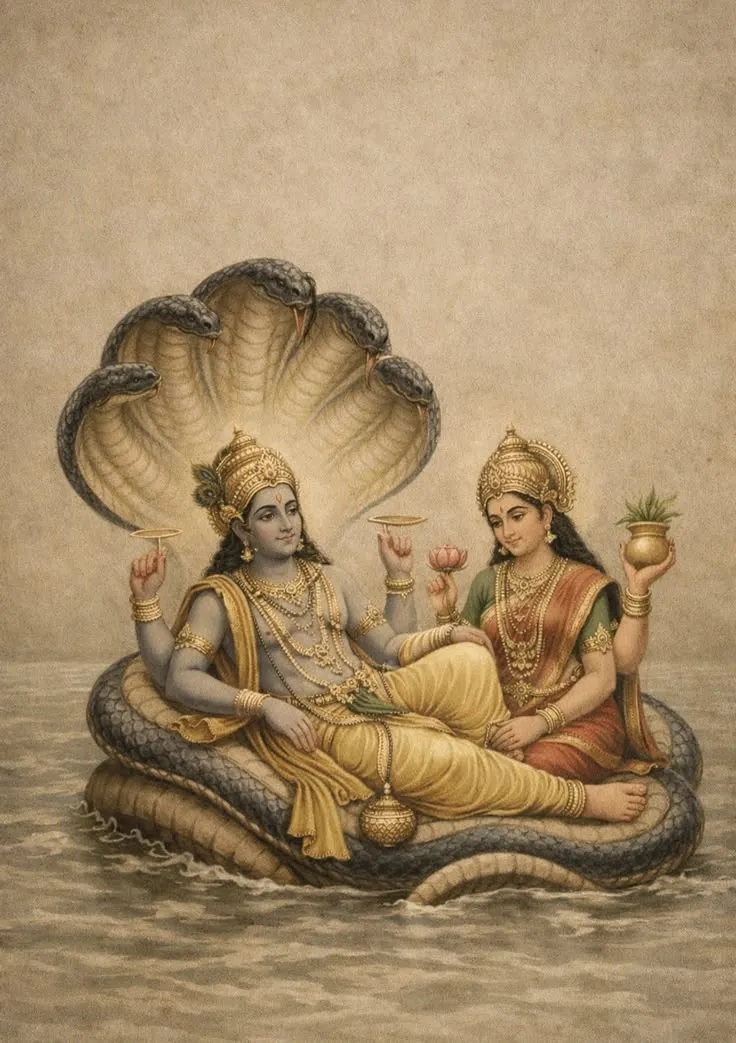
Maa Lakshmi emerges, radiant upon a lotus. The story celebrates her presence as Shri: beauty, flourishing and good fortune. On Diwali’s Amavasya (the new-moon night) many homes welcome her with prayer and light.कमल पर विराजमान माँ लक्ष्मी दिव्य आभा के साथ प्रकट होती हैं। श्री के रूप में वे सौंदर्य, मंगल और समृद्धि से जुड़ी हैं। दीपावली की अमावस्या पर अनेक घर प्रार्थना और दीपों से उनका स्वागत करते हैं।
A little more to the storyकथा के बारे में थोड़ा और
The Vishnu Purana tells of Lakshmi emerging from the ocean and joining Vishnu. Its chapter 1.9 does not specify Kartik Amavasya as the date. Her appearance in the text and the festival’s later devotional associations are related here without treating them as one dated historical event.विष्णु पुराण में लक्ष्मी के सागर से प्रकट होकर विष्णु से मिलन की कथा है। अध्याय १.९ में इसकी तिथि कार्तिक अमावस्या नहीं बताई गई है। यहाँ ग्रंथ की कथा और पर्व की उपासना-परंपरा का संबंध बताया गया है, दोनों को एक निश्चित तिथि की घटना नहीं माना गया है।
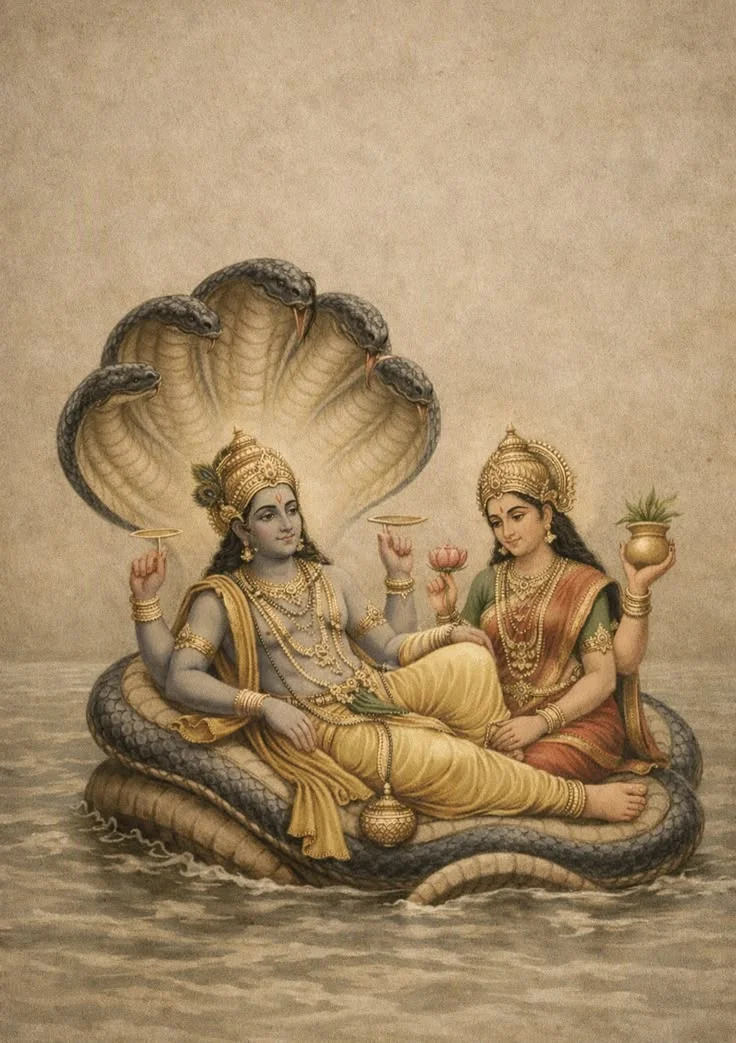
A night to welcome abundance.मंगल और समृद्धि के स्वागत की रात।
That helped me understand Lakshmi Puja: welcoming auspiciousness and prosperity into the home. Her association with Vishnu is part of this story. Diwali gathers many such meanings, rather than one single beginning.तब लक्ष्मी पूजा का अर्थ कुछ और खुला।अपने घर में मंगल और समृद्धि का स्वागत। विष्णु के साथ उनका संबंध भी इसी कथा का हिस्सा है। दीपावली में ऐसे कई अर्थ मिलते हैं; इसकी शुरुआत की कोई एक ही कथा नहीं है।
A little more to the storyकथा के बारे में थोड़ा और
Homes, prayers and regional customs give the festival different expressions. Lakshmi’s association with Vishnu belongs to the Puranic account; the celebration of Lakshmi Puja is a living devotional tradition. Neither should be made the only explanation of Diwali.घर, प्रार्थनाएँ और क्षेत्रीय रीति-रिवाज इस पर्व को अलग-अलग रूप देते हैं। लक्ष्मी-विष्णु का संबंध पौराणिक कथा में है और लक्ष्मी पूजा एक जीवंत उपासना-परंपरा है। किसी एक को दीपावली का अकेला कारण कहना उचित नहीं होगा।
Prosperity, with wisdom.समृद्धि के साथ विवेक।
But why Ganesh ji beside Lakshmi ji? She is associated with prosperity; he with wisdom and auspicious beginnings. One way to understand their worship together: may abundance arrive, and may we use it well.पर लक्ष्मी जी के साथ गणेश जी क्यों? लक्ष्मी जी समृद्धि से और गणेश जी विवेक व शुभ शुरुआत से जुड़े हैं। उनकी संयुक्त पूजा का एक भाव यह हो सकता है।समृद्धि आए, और हम उसका सदुपयोग कर सकें।
A little more to the storyकथा के बारे में थोड़ा और
Joint worship is a practice found in many families, not a universal rule for all Diwali observances. Ganesha is invoked at auspicious beginnings and revered as the remover of obstacles. “Prosperity with wisdom” is a symbolic interpretation of the pairing, not a claim that one story explains its entire origin.अनेक परिवारों में दोनों की साथ पूजा होती है; यह दीपावली मनाने वाले सभी लोगों के लिए एक समान नियम नहीं है। गणेश जी शुभ शुरुआत में स्मरण किए जाते हैं और विघ्नहर्ता माने जाते हैं। “समृद्धि के साथ विवेक” इस संयुक्त पूजा की एक प्रतीकात्मक व्याख्या है, उसके पूरे इतिहास का दावा नहीं।
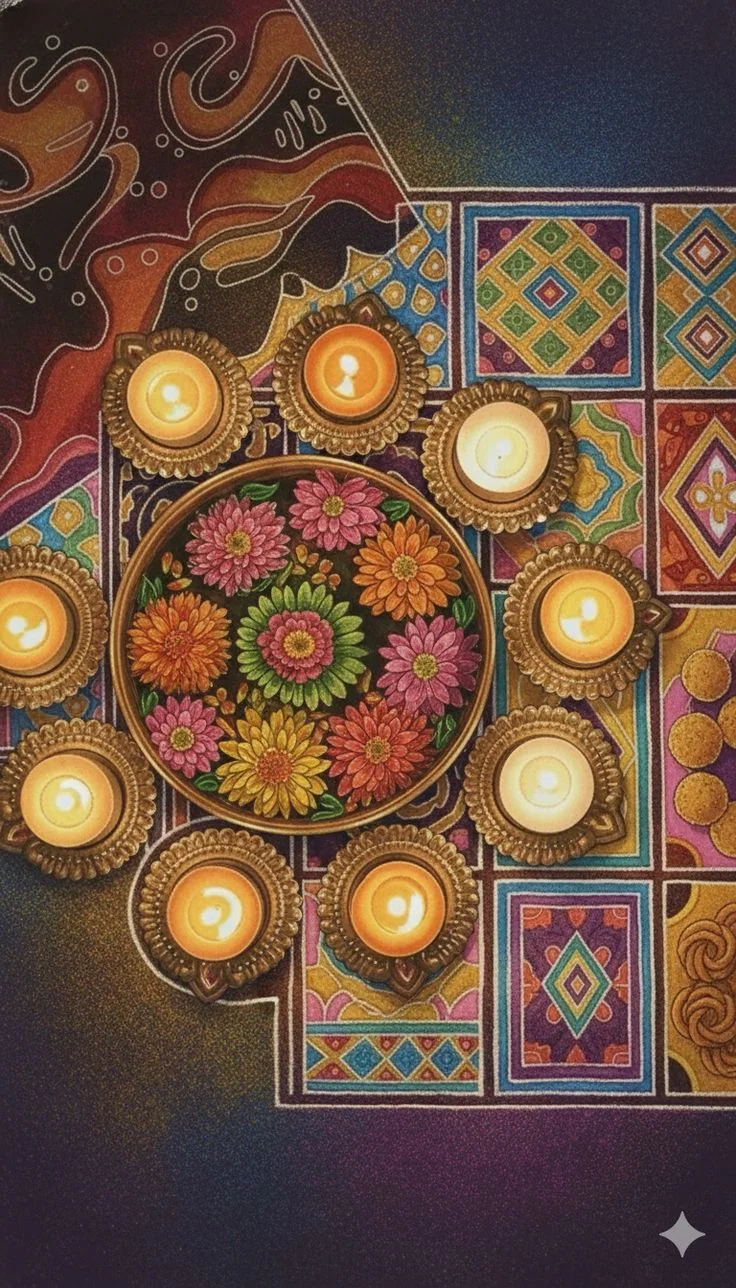
One small flame. So much meaning.एक छोटा-सा दीप। कितने अर्थ।
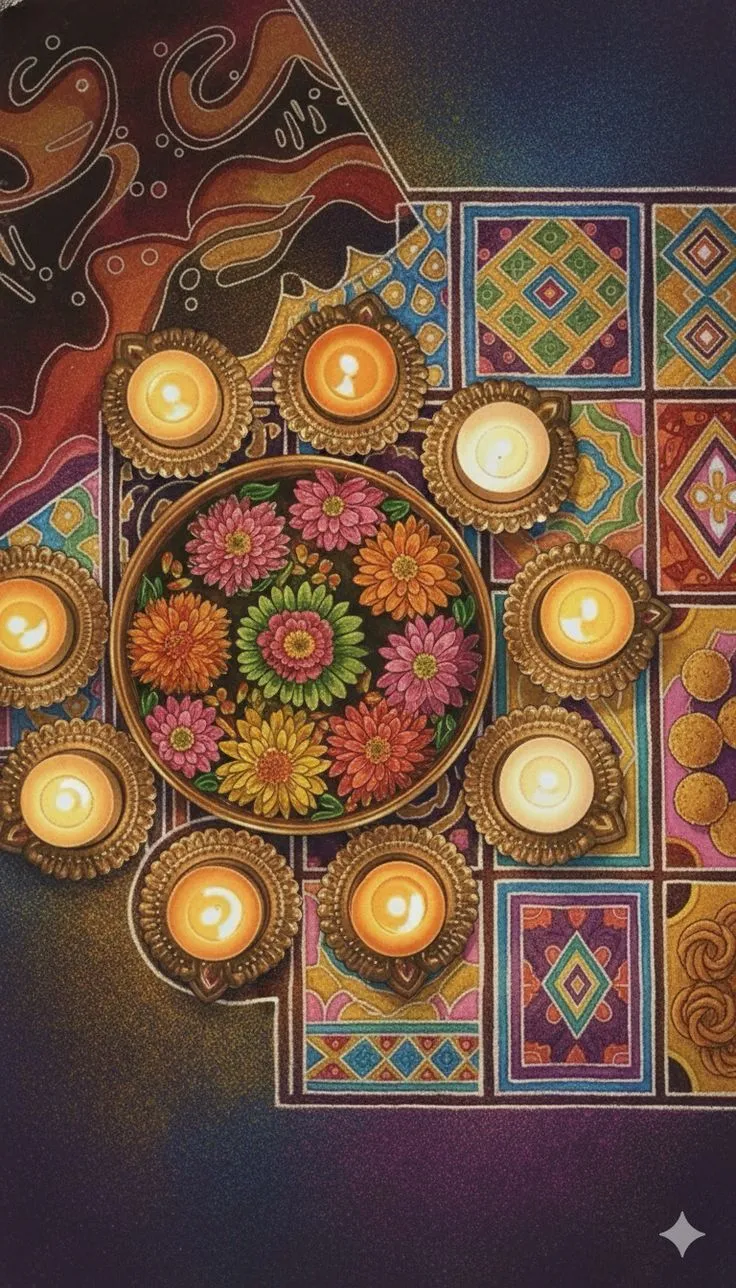
Then I looked at the diya itself. A light offered in devotion. A welcome at the doorway. A reminder that knowledge and hope can brighten what feels dark.फिर मेरा ध्यान स्वयं दीप पर गया। भक्ति में अर्पित एक ज्योति। द्वार पर स्वागत का एक संकेत। और यह स्मरण कि ज्ञान और आशा अँधेरे लगते समय को भी रोशन कर सकते हैं।
A little light goes a long way.थोड़ा-सा उजाला भी बहुत दूर तक जाता है।
A little more to the storyकथा के बारे में थोड़ा और
Lamps carry several meanings across traditions. Some welcome Lakshmi; some recall a homecoming. Devotional readings also associate light with spiritual knowledge. The Upanishadic prayer “tamaso mā jyotirgamaya” asks to be led from darkness to light; it is a broader spiritual prayer, not a Diwali-specific origin story.अलग परंपराओं में दीपों के अनेक अर्थ हैं। कहीं वे लक्ष्मी का स्वागत करते हैं, कहीं घर वापसी की याद जगाते हैं। आध्यात्मिक व्याख्या में प्रकाश ज्ञान का प्रतीक भी है। उपनिषद् की प्रार्थना “तमसो मा ज्योतिर्गमय” अंधकार से प्रकाश की ओर ले चलने को कहती है; यह केवल दीपावली की उत्पत्ति की कथा नहीं है।
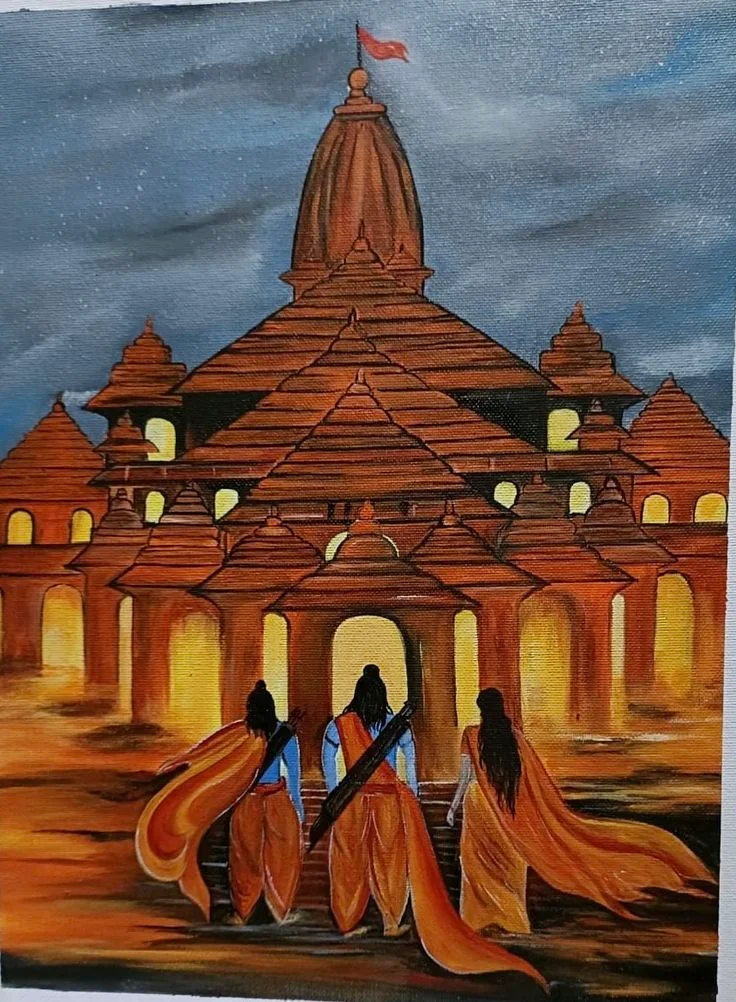
And the joy of coming home.और घर लौटने की खुशी।
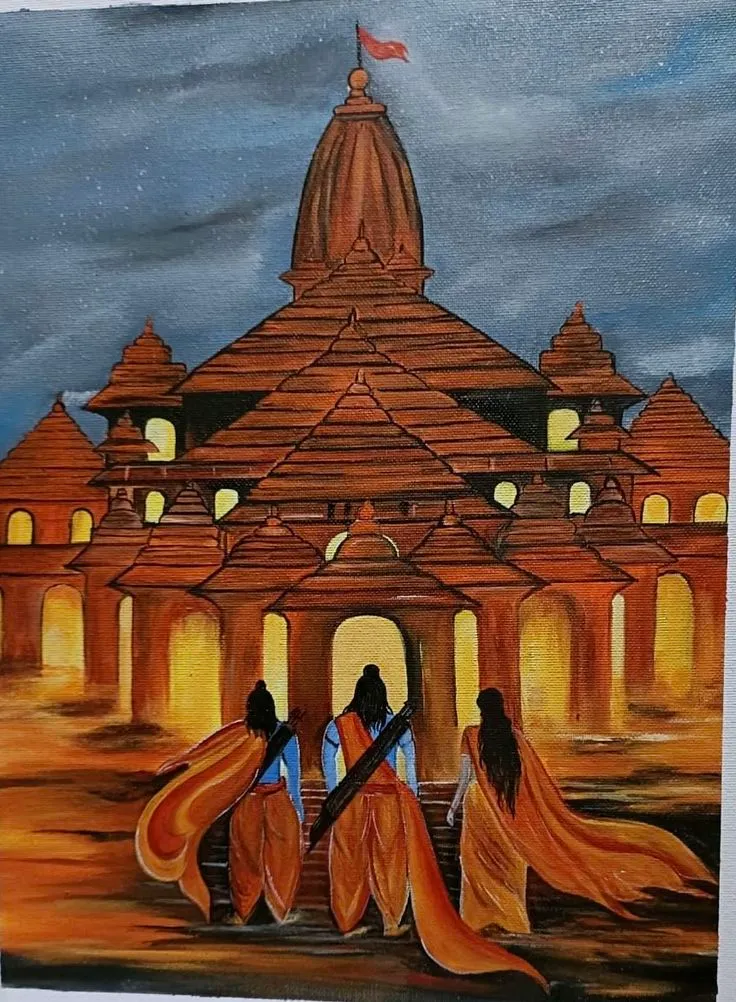
And Shree Ram? A cherished Diwali tradition remembers his return to Ayodhya with Sita and Lakshmana. The Ramayana tells the homecoming; its link to Diwali belongs to the festival’s living tradition.और श्रीराम? दीपावली की एक प्रिय परंपरा सीता और लक्ष्मण के साथ उनके अयोध्या लौटने को याद करती है। रामायण में घर वापसी की कथा है; दीपावली से उसका संबंध पर्व की जीवंत परंपरा में मिलता है।
A little more to the storyकथा के बारे में थोड़ा और
The return journey is narrated in the Valmiki Ramayana’s Yuddha Kanda. The passage checked does not establish a homecoming on Kartik Amavasya. The northern Indian Diwali association is documented as a festival tradition by the Asian Art Museum. This distinction allows us to honor the tradition without assigning the epic a date it does not establish here.वाल्मीकि रामायण के युद्धकाण्ड में वापसी की यात्रा वर्णित है। जाँचे गए अंश में घर वापसी की तिथि कार्तिक अमावस्या स्थापित नहीं होती। एशियन आर्ट म्यूज़ियम उत्तर भारत में दीपावली से इस संबंध को पर्व की परंपरा के रूप में बताता है। इस अंतर के साथ परंपरा का सम्मान भी रहता है और ग्रंथ की बात भी स्पष्ट रहती है।
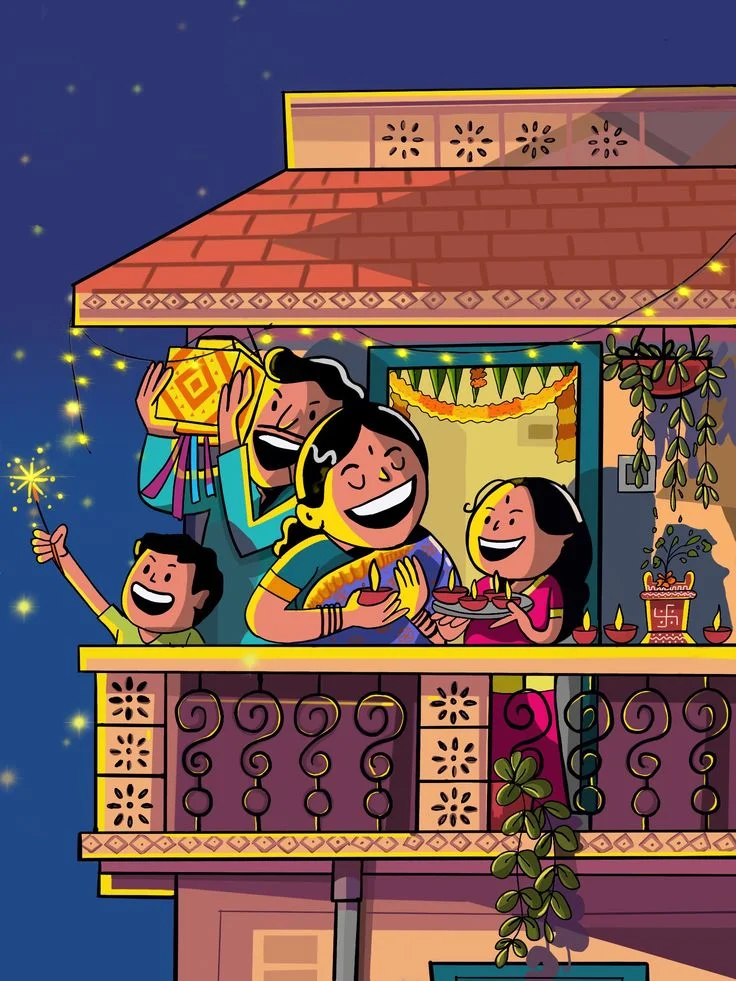
To be here. To celebrate.यहाँ होना। उत्सव मना पाना।
I’m grateful for the people, care and traditions that make celebrating possible. There is so much still to learn, and so much to appreciate in what we have received.मैं उन अपनों, उस स्नेह और उन परंपराओं के लिए आभारी हूँ, जिनसे उत्सव मनाना संभव होता है। अभी कितना कुछ जानना बाकी है, और जो मिला है, उसके लिए कितना आभार।
May we carry a little of this warmth beyond tonight.इस रात का थोड़ा-सा स्नेह आगे भी साथ रहे।
A little more to the storyकथा के बारे में थोड़ा और
Festivals can bring joy, longing, remembrance or all three. However this season finds you, I hope it holds a little warmth. This journey is a beginning, and I’m grateful to everyone who keeps these stories and traditions alive.त्योहार खुशी, याद, अपनों की कमी।या सब कुछ साथ ला सकते हैं। यह समय आपके लिए जैसा भी हो, उसमें थोड़ा स्नेह बना रहे। यह यात्रा केवल शुरुआत है। इन कथाओं और परंपराओं को जीवित रखने वाले हर व्यक्ति का आभार।
Many stories. A shared warmth.कथाएँ अनेक। स्नेह साझा।
Hindu, Jain and Sikh communities carry distinct meanings into this season. Behind each celebration are many hands: potters, artisans, growers, workers, families and friends. To everyone who makes room for light, thank you.हिंदू, जैन और सिख समुदाय इस समय में अपने विशिष्ट अर्थ लेकर आते हैं। हर उत्सव के पीछे अनेक हाथ हैं। कुम्हार, कारीगर, किसान, श्रमिक, परिवार और मित्र। उजाले के लिए जगह बनाने वाले हर व्यक्ति का आभार।
Shubh Deepawali, to you and yours.आपको और आपके अपनों को शुभ दीपावली।
A few distinct traditionsकुछ अलग परंपराएँ
A brief acknowledgment cannot contain every community or practice. These are a few distinct perspectives, shared with respect for their differences, and with gratitude to everyone who joins the season in their own way.इस छोटे-से उल्लेख में हर समुदाय और रीति को समेटना संभव नहीं है। ये कुछ अलग दृष्टियाँ हैं, जिनकी विशिष्टता का सम्मान करते हुए, अपने-अपने ढंग से इस समय में शामिल होने वाले सभी लोगों का आभार।
- Hindu traditionsहिंदू परंपराएँ
- Lakshmi Puja, Shree Ram’s homecoming and regional observances carry varied meanings across Hindu homes.लक्ष्मी पूजा, श्रीराम की घर वापसी और क्षेत्रीय रीति-रिवाज अलग हिंदू परिवारों में अलग अर्थ रखते हैं।
- Jain remembranceजैन स्मरण
- For Jains, Diwali remembers Bhagwan Mahavira’s nirvana, with its own spiritual meaning and observances.जैन परंपरा में दीपावली भगवान महावीर के निर्वाण की स्मृति है, जिसके अपने आध्यात्मिक अर्थ और अनुष्ठान हैं।
- Sikh observanceसिख पर्व
- Bandi Chhor Divas commemorates Guru Hargobind Sahib Ji’s liberation and the freedom of fellow captives a distinct Sikh observance in this season.बंदी छोड़ दिवस गुरु हरगोबिंद साहिब जी की मुक्ति और साथी बंदियों की स्वतंत्रता का स्मरण है। इस समय का एक विशिष्ट सिख पर्व।
Sourcesस्रोत
II Samudra Manthanसमुद्र मंथन
- In the textग्रंथ मेंVishnu Purana Book 1, chapter 9
III Amavasya & Maa Lakshmiअमावस्या और माँ लक्ष्मी
- In the textग्रंथ मेंVishnu Purana Book 1, chapter 9
- Referenceसंदर्भAsian Art Museum, Celebrate Diwali Festival overview, paragraphs 2–4
IV A welcome into our homesअपने घर में स्वागत
- In the textग्रंथ मेंVishnu Purana Book 1, chapter 9
- Referenceसंदर्भAsian Art Museum, Celebrate Diwali Festival overview, paragraphs 2–4
V Lakshmi & Ganeshलक्ष्मी और गणेश
- Referenceसंदर्भMaharashtra Tourism, Diwali Rituals and traditions: Lakshmi Puja
- Referenceसंदर्भHindu American Foundation, 5 things to know about Ganesha Sections 1 and 3
VI Why we light diyasहम दीप क्यों जलाते हैं
- Referenceसंदर्भCoHNA, Philosophy of Diwali The Deepa and the light of wisdom
- Referenceसंदर्भAsian Art Museum, Celebrate Diwali Festival overview, paragraphs 2–4
VII Shree Ram’s homecomingश्रीराम की घर वापसी
- In the textग्रंथ मेंValmiki Ramayana, Yuddha Kanda Sarga 124, return journey
- Referenceसंदर्भAsian Art Museum, Celebrate Diwali Festival overview, paragraphs 2–4
IX Many traditions, many handsअनेक परंपराएँ, अनेक हाथ
- Referenceसंदर्भAsian Art Museum, Celebrate Diwali Festival overview, paragraphs 2–4
- Referenceसंदर्भMelbourne Shwetambar Jain Sangh, Diwali Diwali in Jainism
- Referenceसंदर्भThe Sikh Coalition, Sikh Celebrations! Bandi Chhor Divas section